
AI infrastructure, deployed at the point of power.
Grid. Gas. Or both. Whichever gets 4 MW live inside 18 months.
We own and operate what we build. Capacity leases by the kilowatt‑month.
Power decides who builds.
Not capital. Not chips. The constraint is the calendar.
Interconnection wait in the busiest markets.
Lead time on a large power transformer. That clock starts after the queue.
National median, request to commercial operation.
We go where the power already is.
Power that can be reached now takes more than one form. We screen all of them against the same test.
A building with capacity
Megawatts and redundant fiber already in place. The work is fit‑out.
A substation with headroom
Utility service that can carry a large load, outside the crowded markets.
Gas at the fence
Generation on site or directly adjacent, with utility service alongside it.
Fuel priced at the wellhead, not the market.
The date is the deliverable.
Four megawatts live within eighteen months, with expansion capacity behind it. Every site clears the same bar.
About a third of the national median time to power.
4 MW live in 18 months. Then scale to 80.
Small enough to permit and energize inside eighteen months. Standard enough that every site makes the next one faster.
One design, every site. The work stays local.
Seven projects. Three routes in.
Indiana, Colorado, Wyoming. The same three routes to power, and the same unit on every pad.
Denver Metro I
Existing building with excess electrical capacity and redundant fiber in place. The work is fit‑out.
Denver Metro II
Second powered building on the same thesis: capacity and network already there.
Fort Wayne
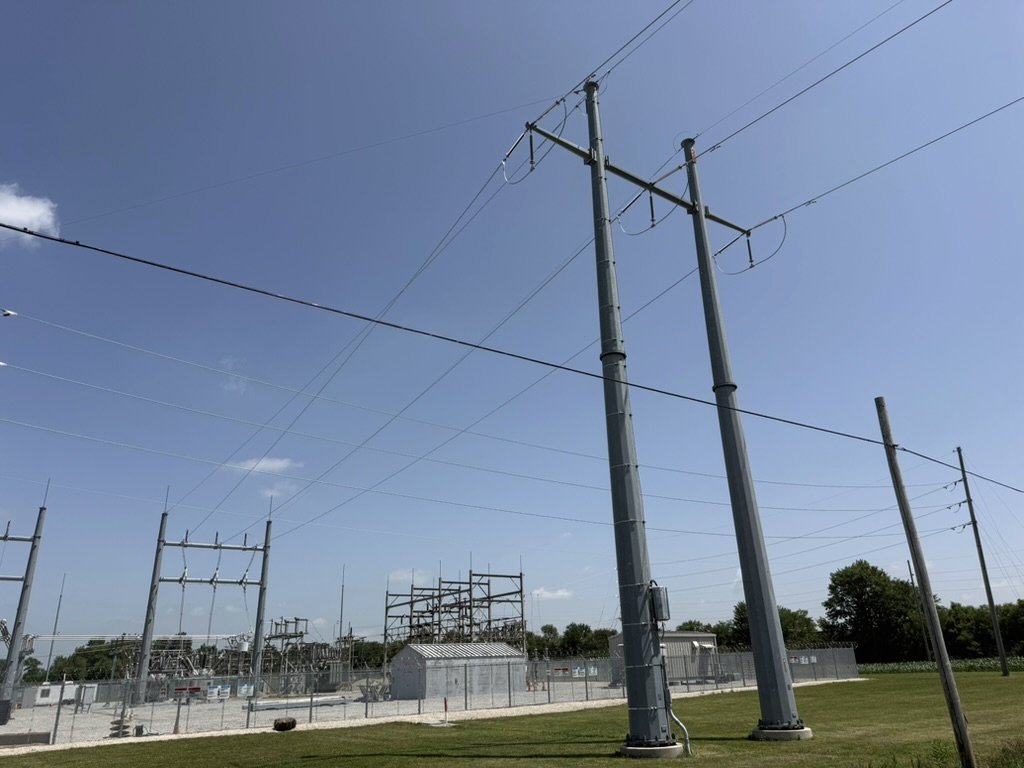
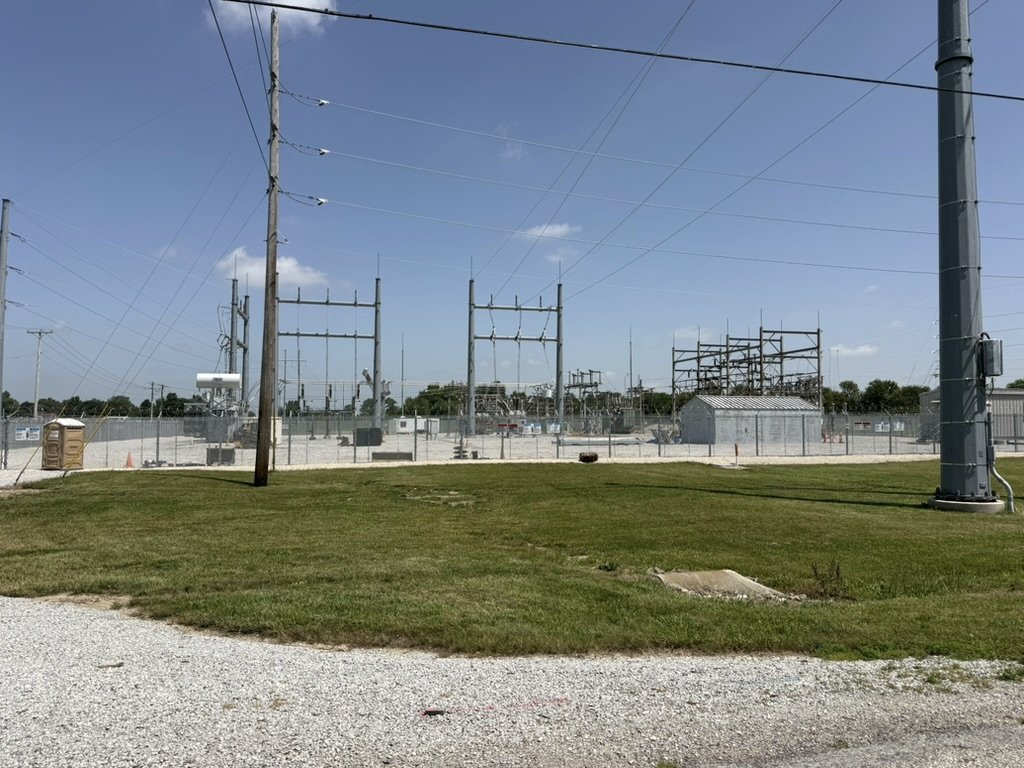
Existing utility power and existing fiber, beside established substation infrastructure, in a metro already drawing large-scale data center investment.
Union City
Existing utility power beside an operating manufacturing campus, with state and local economic development behind it.
Platteville
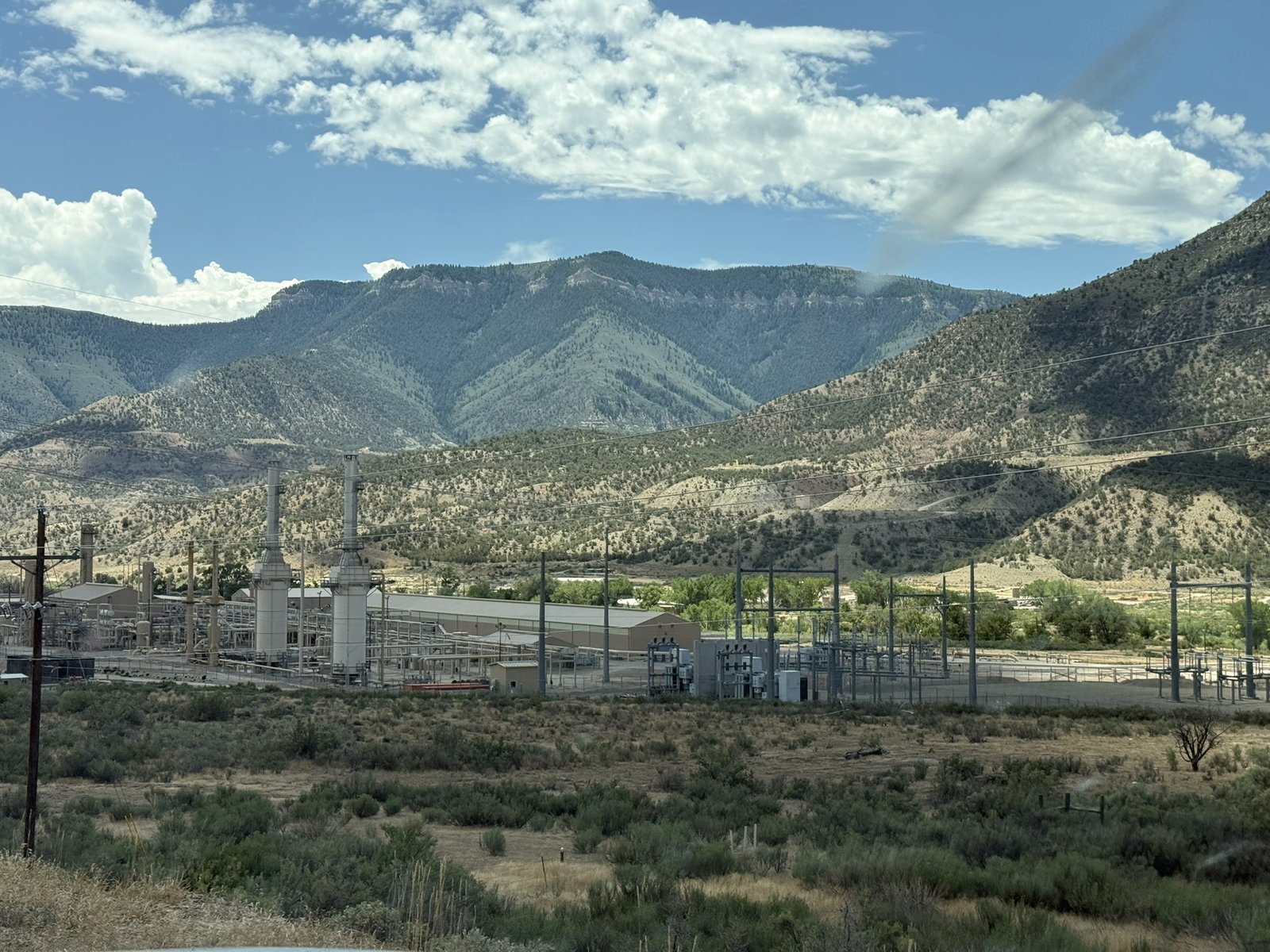
Natural gas on site and directly adjacent, beside major existing generation, with utility service alongside it.
Parachute
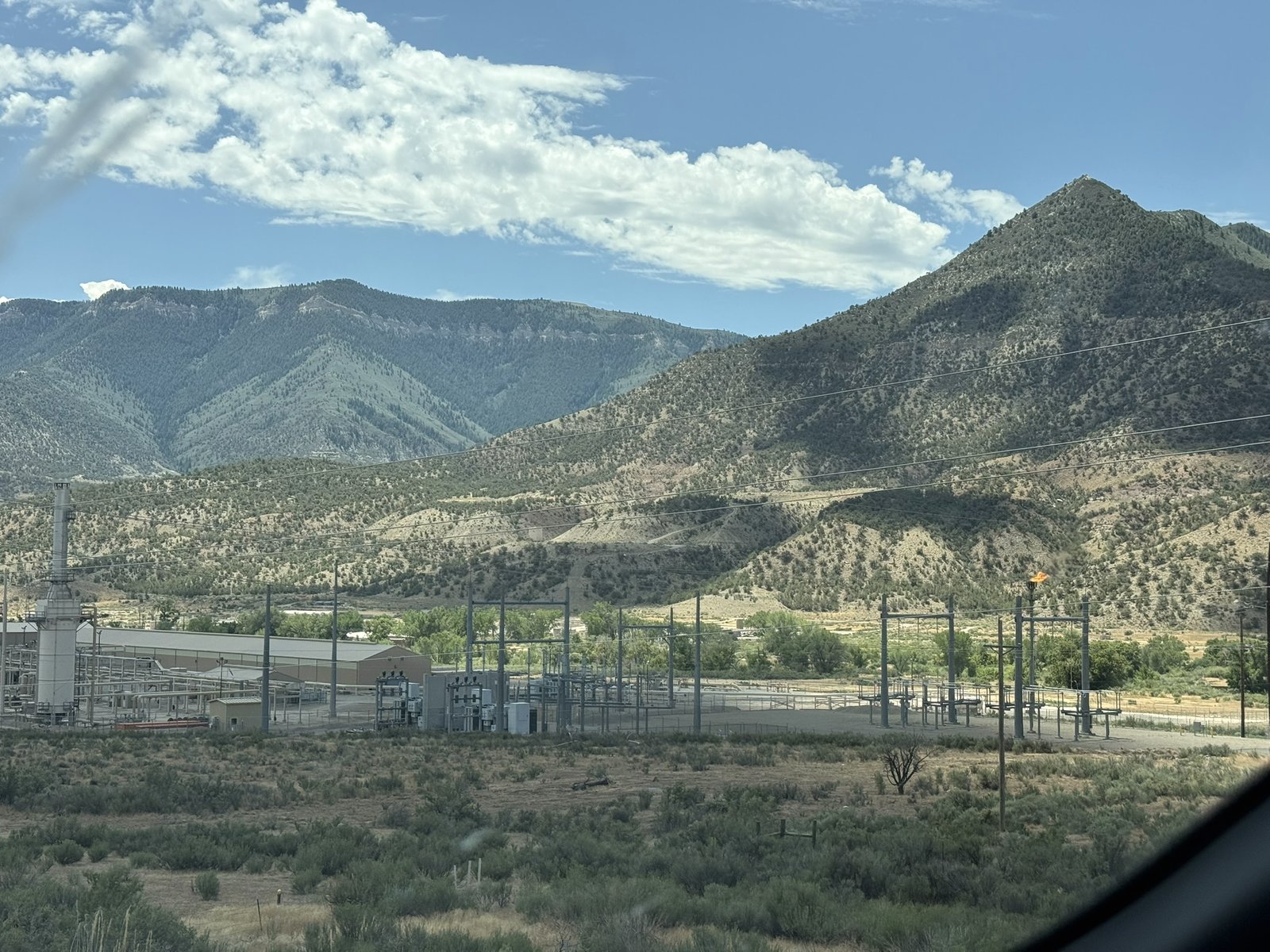
Basin gas taken directly from production, with a utility interconnection beside it.
Cheyenne
Pipeline-adjacent site with natural gas directly available. Site control and power screening underway.
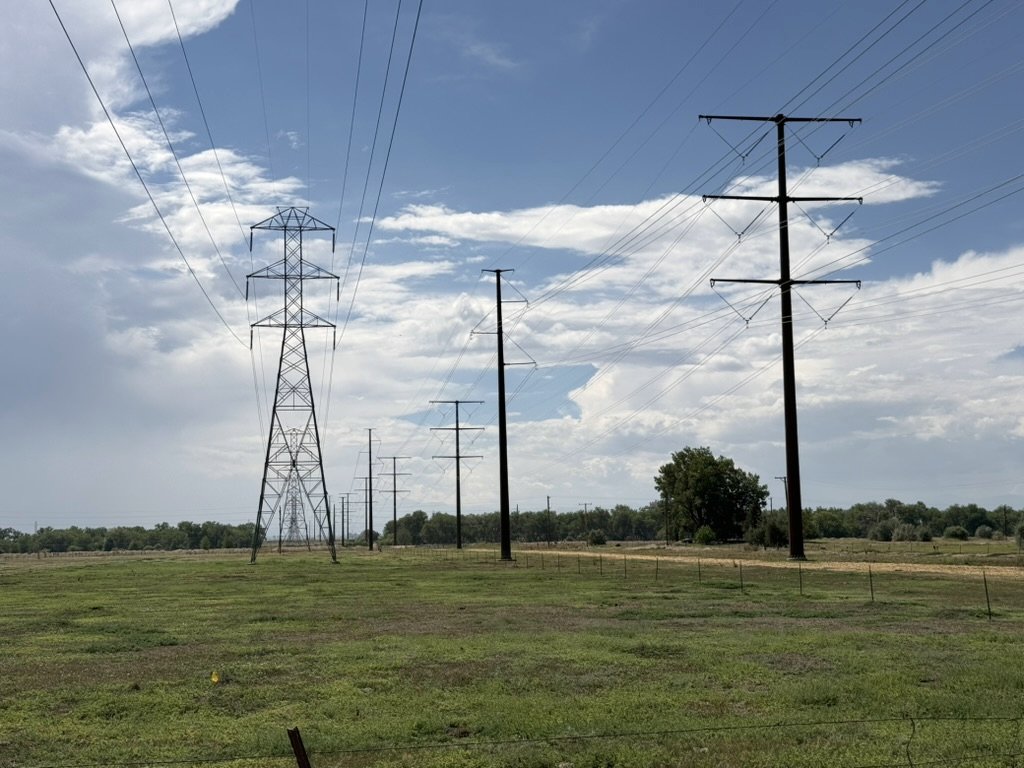
The sites that can be energized are being claimed.
Demand compounds. The grid doesn't.
Load growth has outrun the pace at which transmission and substation capacity can be added.
Optionality wins.
Sites that can take grid, on-site generation, or both keep moving when one path slows.
Standardization compounds.
A repeatable unit turns every completed site into a faster next one.